a maskerade, echoed
Barakoa is a masquerade.
Not just in costume, but in behaviour, protection, performance, and silence.
It explores the masks people wear around love, fear, and the quiet things we don’t say — and what happens when those masks are held, softened, or briefly removed.
Barakoa brings together sound, movement, fashion, and space to ask one central question:
How do we mask ourselves in order to survive love, fear, and vulnerability?
Through sound, Barakoa gives this question a voice.
In Barakoa, sound helps shape how people feel, move, gather, and pause.
Sound plays a role in how themes like love, fear, and quiet are experienced. It can amplify emotion, create comfort, create tension, or help people disconnect and reconnect
The Barakoa Beat is curated and delivered by a mixed sound team — DJs, sound engineers, vocalists, and orchestral musicians — to make sure sound is intentional across the entire experience.
Sound in Barakoa is used across live performances, theatre and spoken moments, party sessions, and in quiet and reflective spaces.
Silence is part of the sound design.
This is why the Barakoa experience ends with a silent disco.
The silent disco allows each person to choose what they are listening to(everyone will have a set of bluetooth headphones), instead of everyone hearing the same thing at the same time. It turns listening into a personal decision.
The headphones allow switching between three listening channels, each with a different playlist:
Each channel represents a different emotional state.
The quiet channel is not empty. It is designed to create space — for reflection, rest, and attention — especially after a long day of stimulation.
The silent disco helps Barakoa hold different experiences at once:
The central aesthetic theme of Barakoa is Nilofunk. It is the aesthetic language guiding Barakoa’s music, fashion and styling.
Nilofunk a fusion of:
Nilofunktronica is a contemporary fusion of:
This beat is not one song. It is a system that allows original compositions, existing songs, live performance, remixes, edits, and moments of silence to coexist.
Source: Uro Uro by Pastor Joel Kimeto
Call and Response
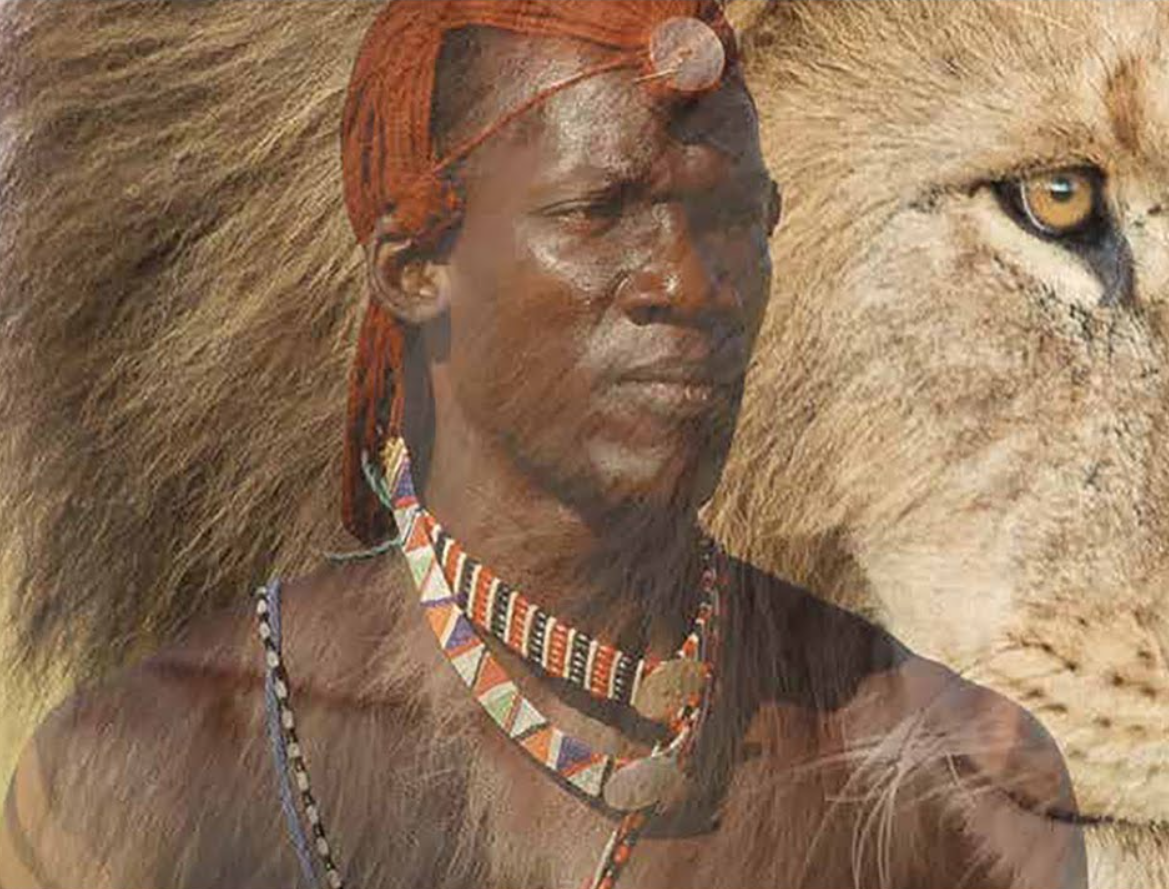
Nilotic music often features a soloist leading with elongated vocals, answered by a unison crowd response.
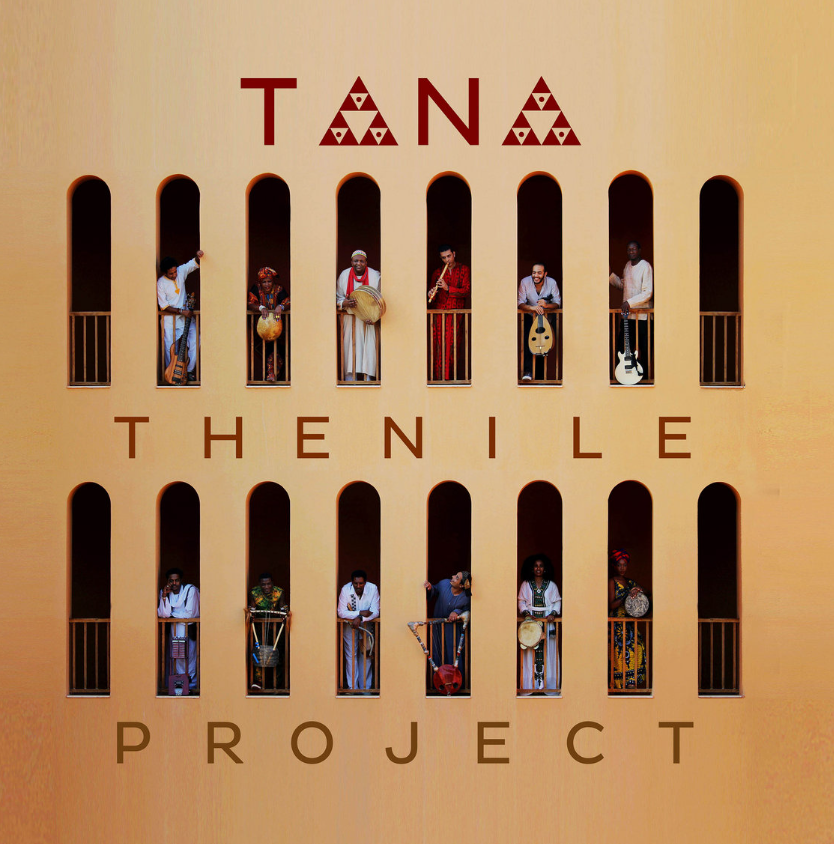
Source: Fulani by The Nile Project
Patterns and repetition
Strategic looping of phrases creates a chanting, trance-like feel without rigidity.
Source: Anyiny Tumdo by Kalya Traditional Dancers
Portable sound-making
Claps, whistles, horns, and strings emerged from the need for instruments that could move with nomadic life.
Source: The Maasai Footsteps Show
Communal voice
Songs are experienced collectively, prioritising unity over individual performance.
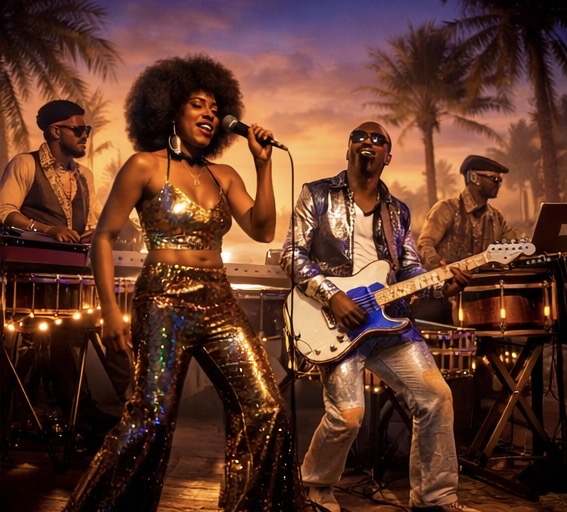
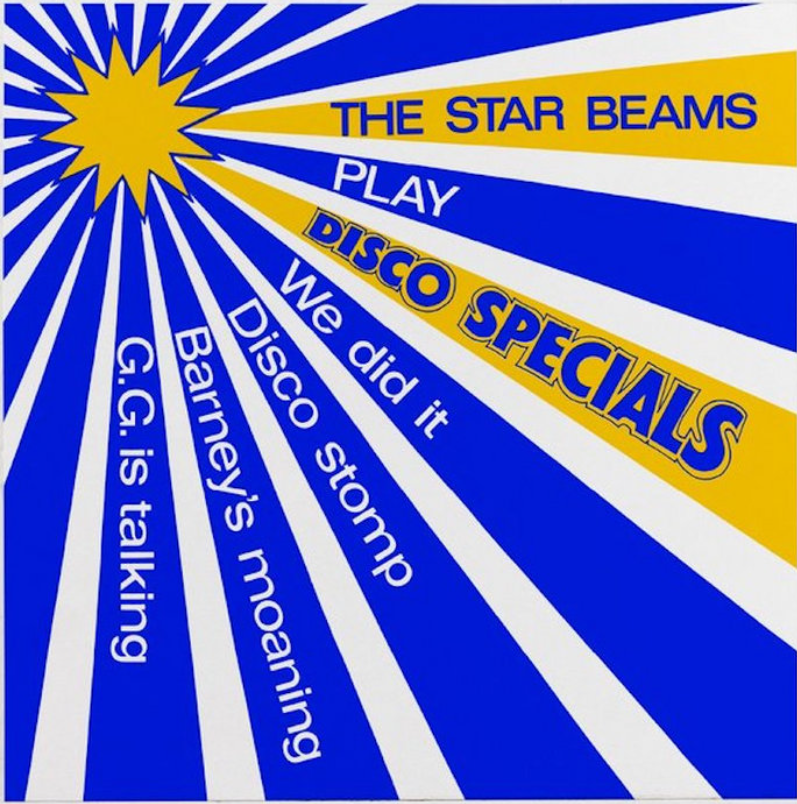
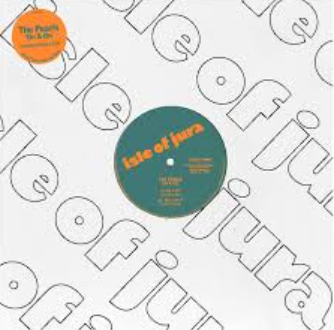
Source: Disco Stuff by The Star Beams
Long, extended instrumental jams influenced by jazz and fusion.
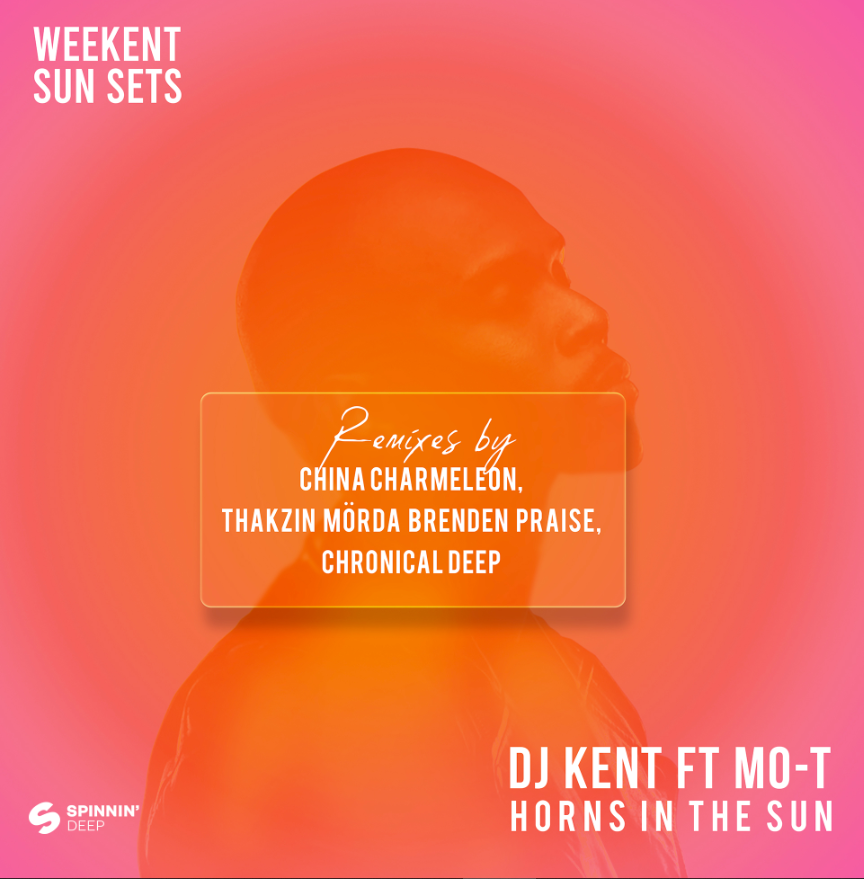
Source: Horns in the Sun by DJ Kent, Thakzin ft. Brenden Praise, Mo-T, MORDA
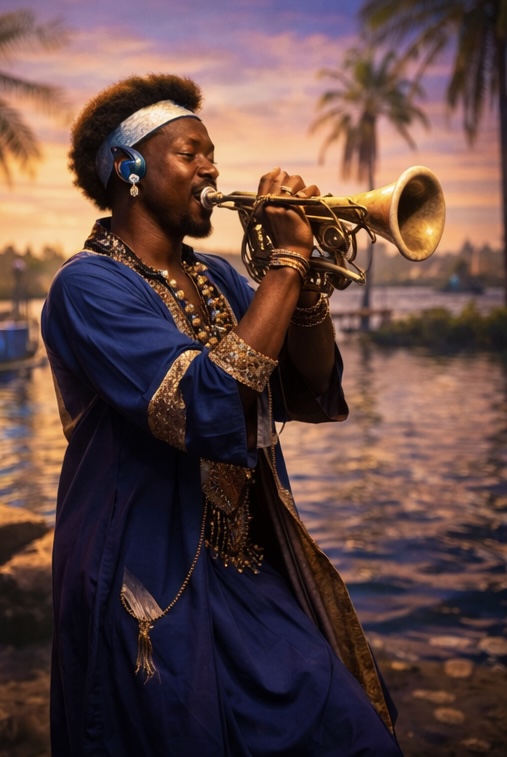
Tight horn sections performing in unison or call-and-response with vocals.
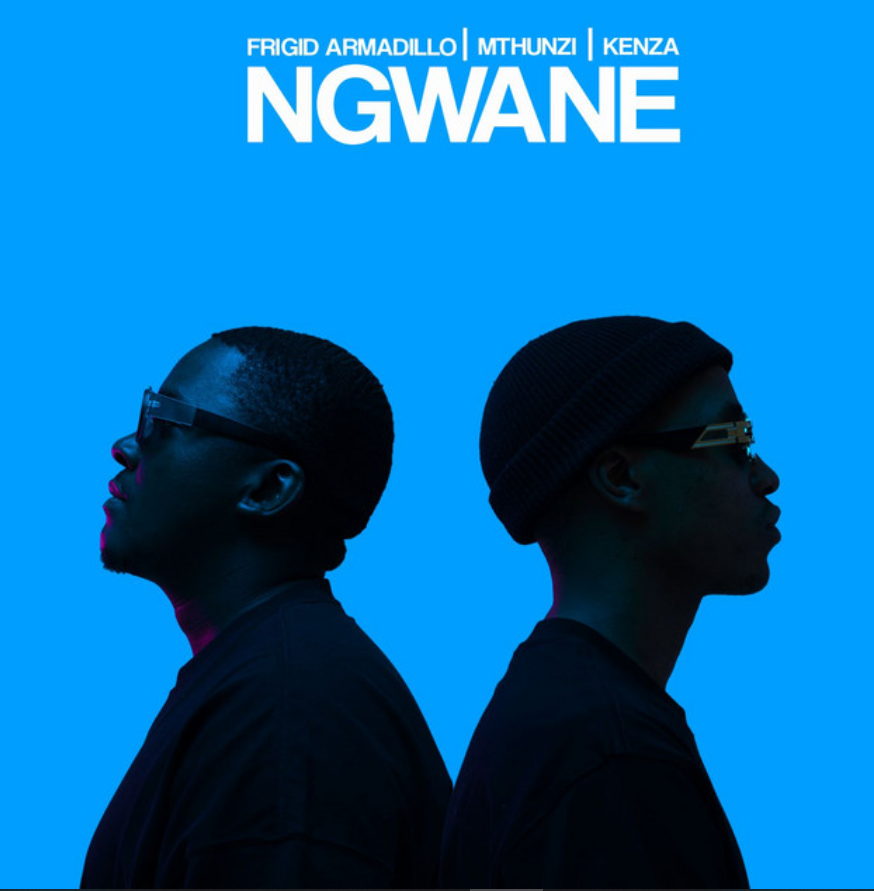
Source: Ngwane by Frigid Armadillo ft Kenza, Mthunzi
Heavy use of percussion layered with complex, syncopated drum patterns.
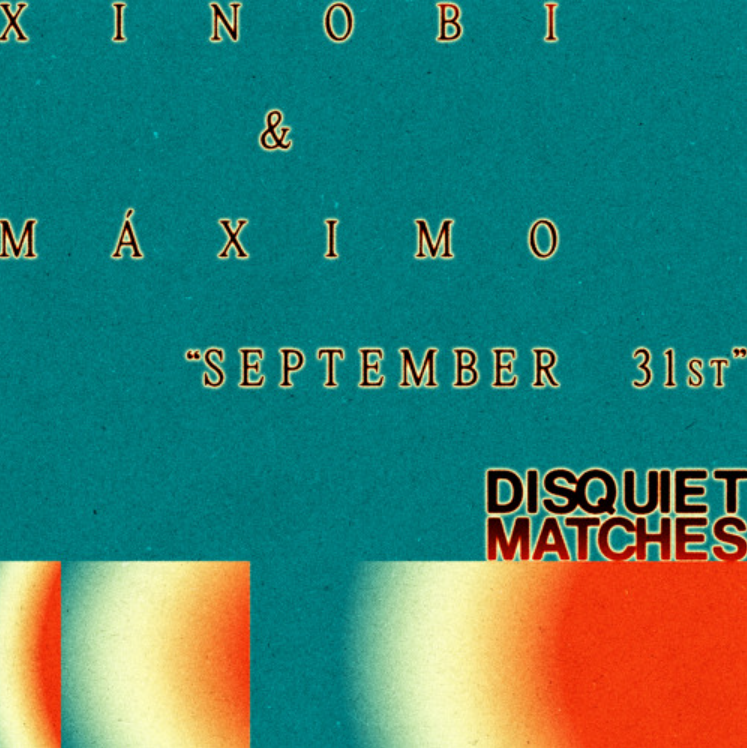
Source: September 31st by Xinobi, Maximo
Defies traditional song structures; open, modular, and experimental.
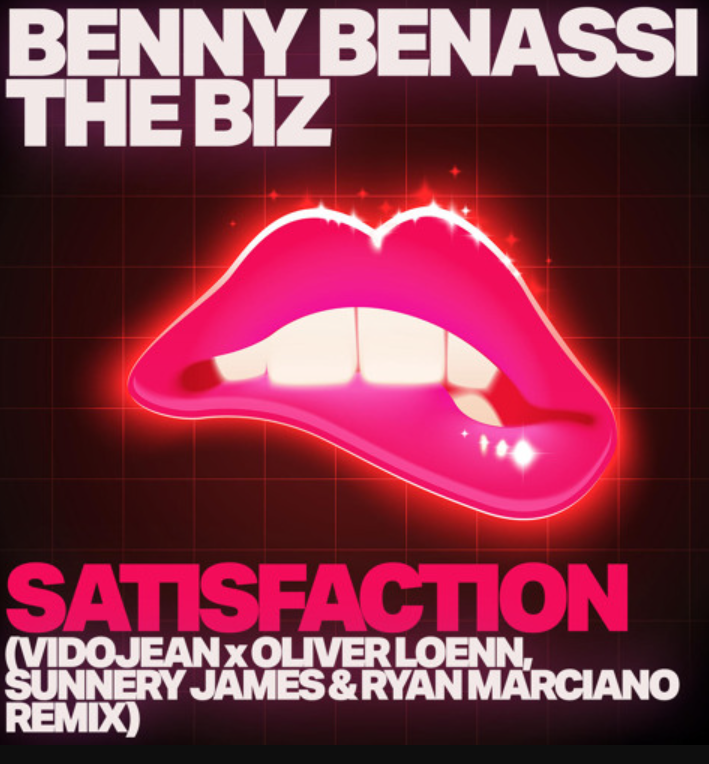
Source: Satisifaction by Benny Benassi, The Biz ft Vidojean x Oliver Loenn, Sunnery James & Ryan Marciano
Digital effects, manipulation, and layered textures.
Nilofunk emerges where functionality meets audacity.
The Barakoa beat is something we actively build before the event — and then perform, remix, and stretch on the day itself.
Because sound carries the whole experience, the beat needs to exist in two forms:
Each context stretches the sound differently. What holds it together is intention.
All of this sound work is documented in The Barakoa Listening Book.
The Listening Book is a record of:
The Listening Book holds the process, not just the outcome. It becomes an archive of how Barakoa 2026 sounded, what it explored, and what it left unsaid.